Seeing and transparency
The atmosphere wobbles and the atmosphere absorbs — two separate problems that need separate names.
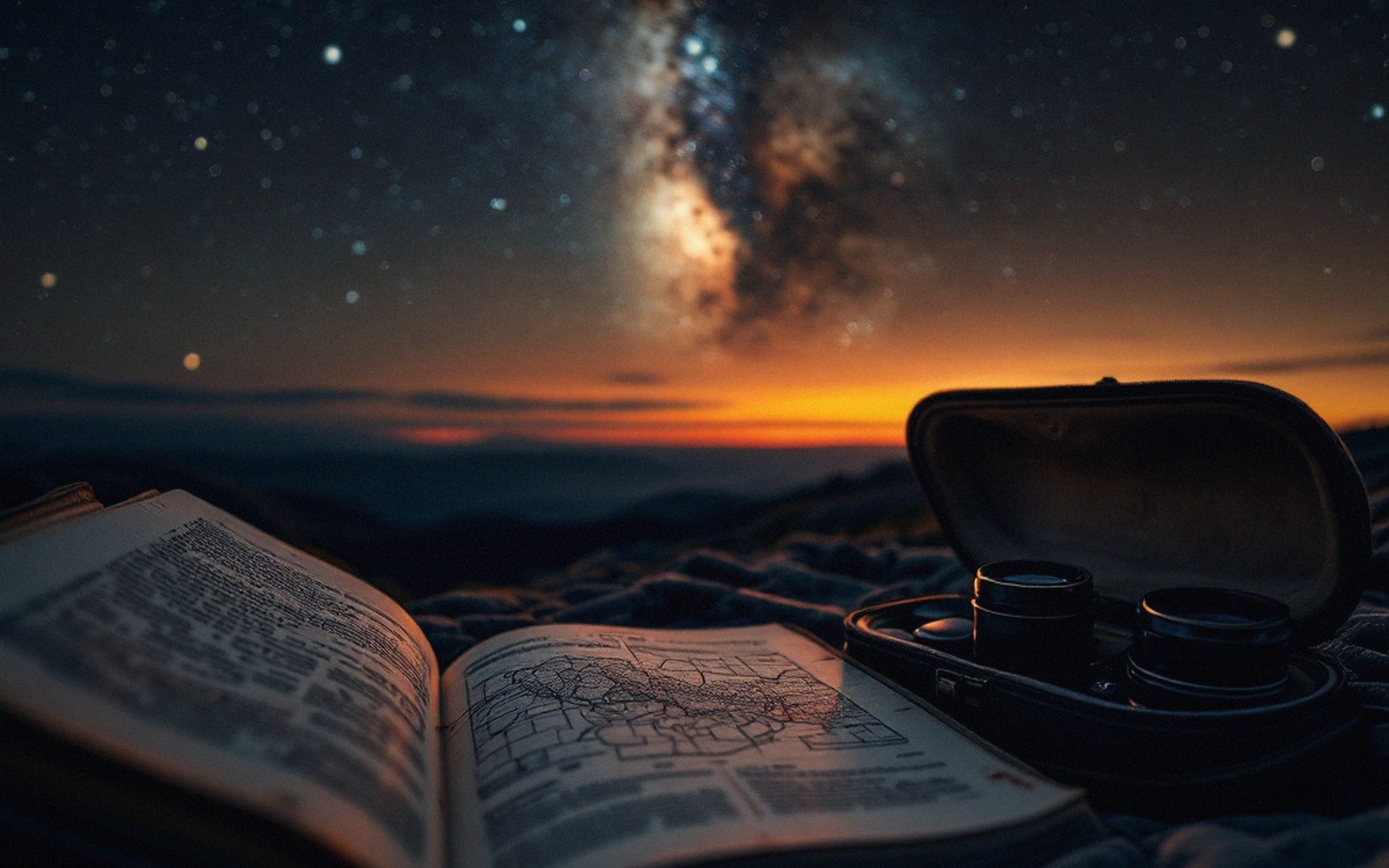
A steady sky and a clear sky are different things and rarely arrive together.
Two things the sky does to starlight
Photo: Francesco Paggiaro / Pexels
When an experienced observer says the seeing is good, they do not mean the sky is clear. When they say transparency is excellent, they do not mean the stars are steady. These are orthogonal properties of the atmosphere, and conflating them is one of the most common ways a session goes wrong before it starts.
Transparency describes how much light the atmosphere absorbs or scatters on its way down. A transparent sky is chemically and physically clean: low humidity, no aerosol haze, no invisible thin cloud, no wildfire smoke drifting at altitude. On a night of exceptional transparency you see more stars than you thought the sky contained, and faint extended objects — a large emission nebula, a low-surface-brightness galaxy — become achievable. The enemy of transparency is anything suspended in the air: water vapour, dust, pollen, pollution. You cannot see it overhead with the naked eye; you detect it by how abruptly your limiting magnitude falls.
Seeing describes atmospheric stability — specifically, the turbulence in layered air masses of different temperatures, which refracts light unevenly as those layers slide past one another. A star that should be a point becomes a writhing disc. High magnification on a planet, or the attempt to split a close double, becomes hopeless. The standard measure is the Antoniadi scale, a five-step system from I (perfect, without a quiver) to V (so bad that even low power is affected). Jet-stream position, local terrain, the temperature gradient between the ground and the air above it — all of these feed into the number you get on any given night.
Transparency describes how much light the atmosphere absorbs or scatters on its way down.
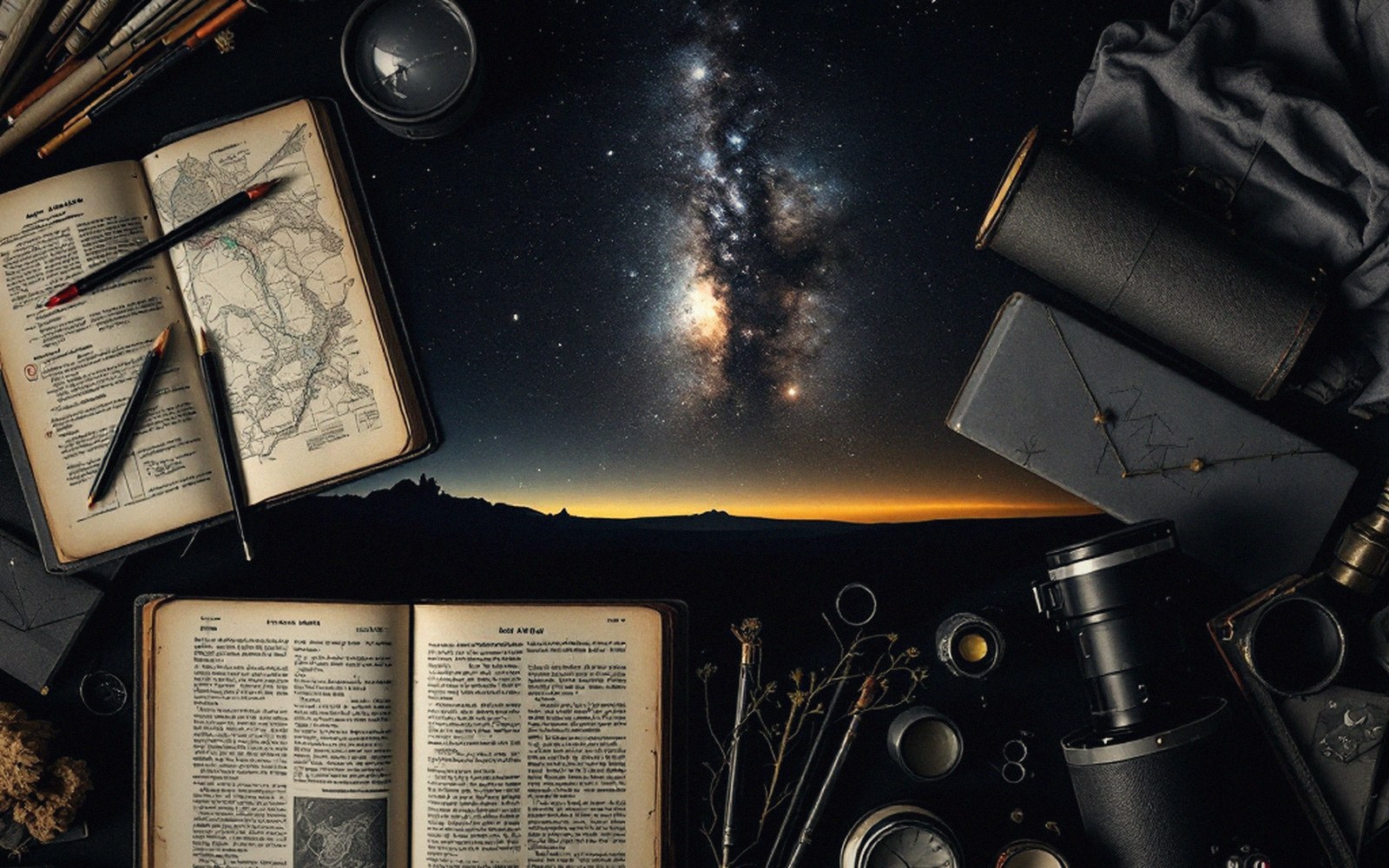
The cruel irony is that the conditions that produce superb transparency often destroy the seeing. A cold front sweeping through scrubs the sky clean of haze but leaves violent air in its wake. The night after a front passes can look breathtaking — you can count stars in the Milky Way — while every star dances like a flame. Conversely, a settled, warm, slightly humid night may deliver seeing of I or II while the transparency is mediocre. That is the night to push magnification on a planetary or a globular's core; it is the wrong night to hunt a faint galaxy.
Neither condition is binary. Both shift during a session — seeing often improves in the hours after midnight as the ground loses heat and the boundary layer settles; transparency can decay toward dawn as dew condenses on everything, including the air itself. Good observers check both before choosing what to attempt, and they do it again mid-session if the view changes. A steady sky and a clear sky are gifts; arriving on the same night, they are rare.